 Cartilage
 Knees
Knees Hip
Hip Shoulder
ChondroFiller Suitability for Older Adults
09/03/26


If you’re a young athlete—or the parent of one—knee pain can be a worrying obstacle, especially when it’s caused by a condition called Osgood -Schlatter disease. This common source of discomfort affects the area just below the kneecap, where the tendon from the front thigh muscle attaches to the shinbone. It’s most often seen in active adolescents who are rapidly growing and love activities like football, running, or jumping. The good news? With the right rehabilitation approach, most young people can manage their pain and get back to doing what they love. In this article, we’ll explore how modern, non-invasive rehabilitation techniques can relieve knee pain and support recovery—drawing on the latest scientific research.
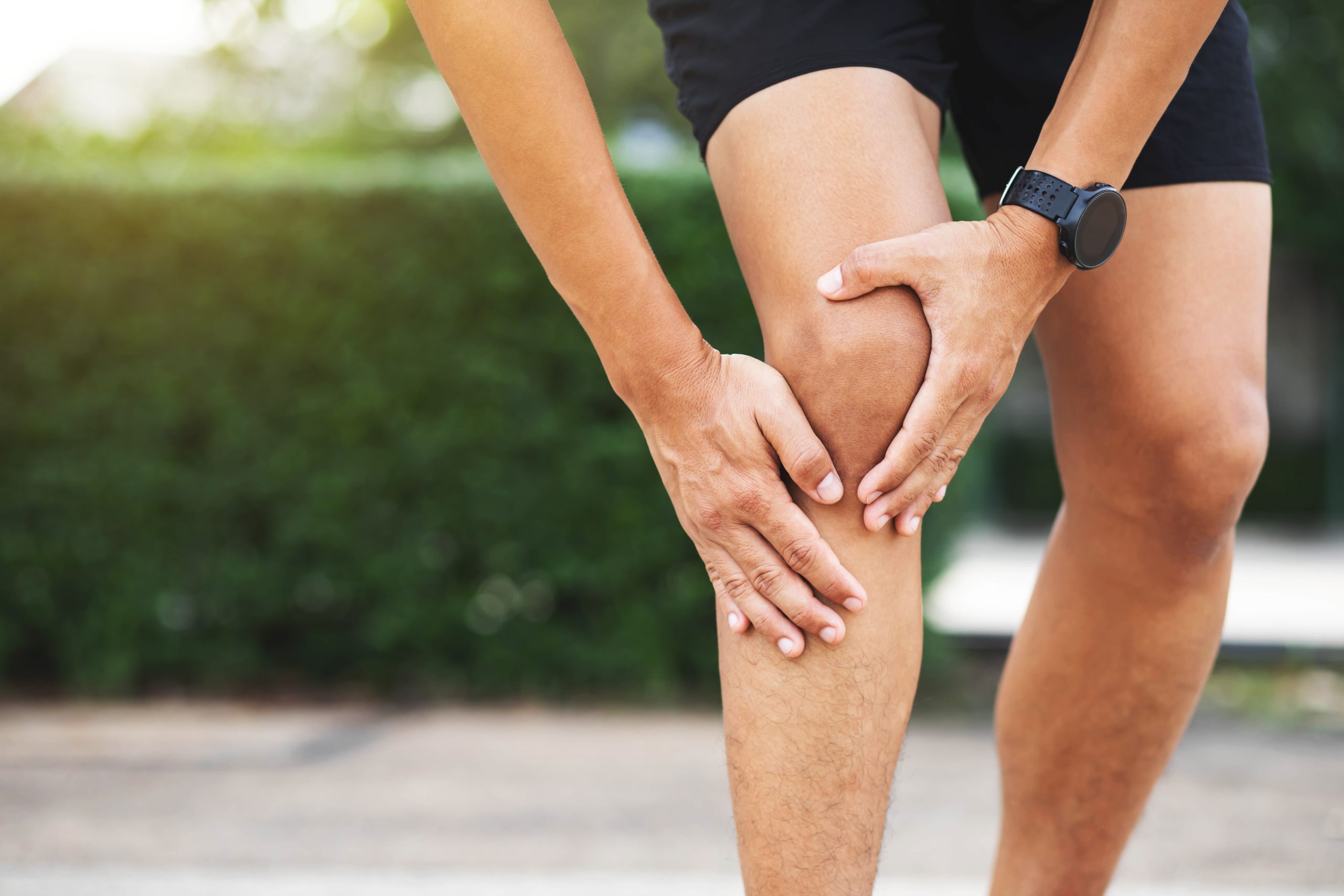
Osgood-Schlatter disease is a specific disorder that affects young people, causing pain and swelling just below the knee at the tibial tuberosity. It’s one of the most common causes of knee pain in active adolescents.
Osgood-Schlatter disease occurs when repeated stress pulls on the growth plate below the kneecap—the tibial tuberosity. This area, made of soft, developing bone in children and teens, is particularly vulnerable during rapid growth spurts. Activities involving running, jumping, or quick changes of direction increase tension on this growth plate, leading to pain and inflammation right at the front of the knee.
Researchers have studied how the muscles and bones interact to better understand what makes this condition worse. Tight or imbalanced thigh muscles , especially the quadriceps , can pull harder on this sensitive area, increasing discomfort. Studies show that working on muscle flexibility and strength through targeted exercises can significantly reduce pain and improve knee function . This evidence guides today’s rehabilitation approach, emphasizing personalized, active treatment over simply resting or stopping activity.
Typically, Osgood-Schlatter is a benign but irritating problem at the junction of the patellar tendon and the tibial tubercle. Most cases resolve over 12–24 months, and treatment plans are usually matched to the severity of symptoms.
Symptoms often develop following repeated stress or minor injuries. Gradual swelling and pain below the knee are common—especially during activities like walking, squatting, or climbing stairs, though the discomfort may lessen with rest.
Managing Osgood-Schlatter disease centers on non-invasive rehabilitation that addresses the root causes of pain and instability. The key components often include:
A particularly promising development is the use of eccentric exercises, where muscles lengthen while under tension—such as slowly lowering yourself after a jump. These exercises are effective in promoting tendon health and reducing inflammation.
It’s crucial that rehabilitation programs are tailored to each young person’s stage of growth and symptom severity. A personalized approach helps progress exercises at a safe pace, minimizing pain and regularly adjusting the plan as needed.
For mild cases, simply reducing activity and educating patients may be sufficient. More severe symptoms might need a short period of rest (and in rare cases, immobilization), followed by more targeted strength training .
Other supportive therapies, like anti-inflammatory treatments and controlled exercises, are also beneficial. In some cases, alternative interventions such as acupuncture may help manage persistent pain. Research suggests that acupuncture can relieve knee pain and reduce the need for oral painkillers, making it a helpful complement to rehabilitation.
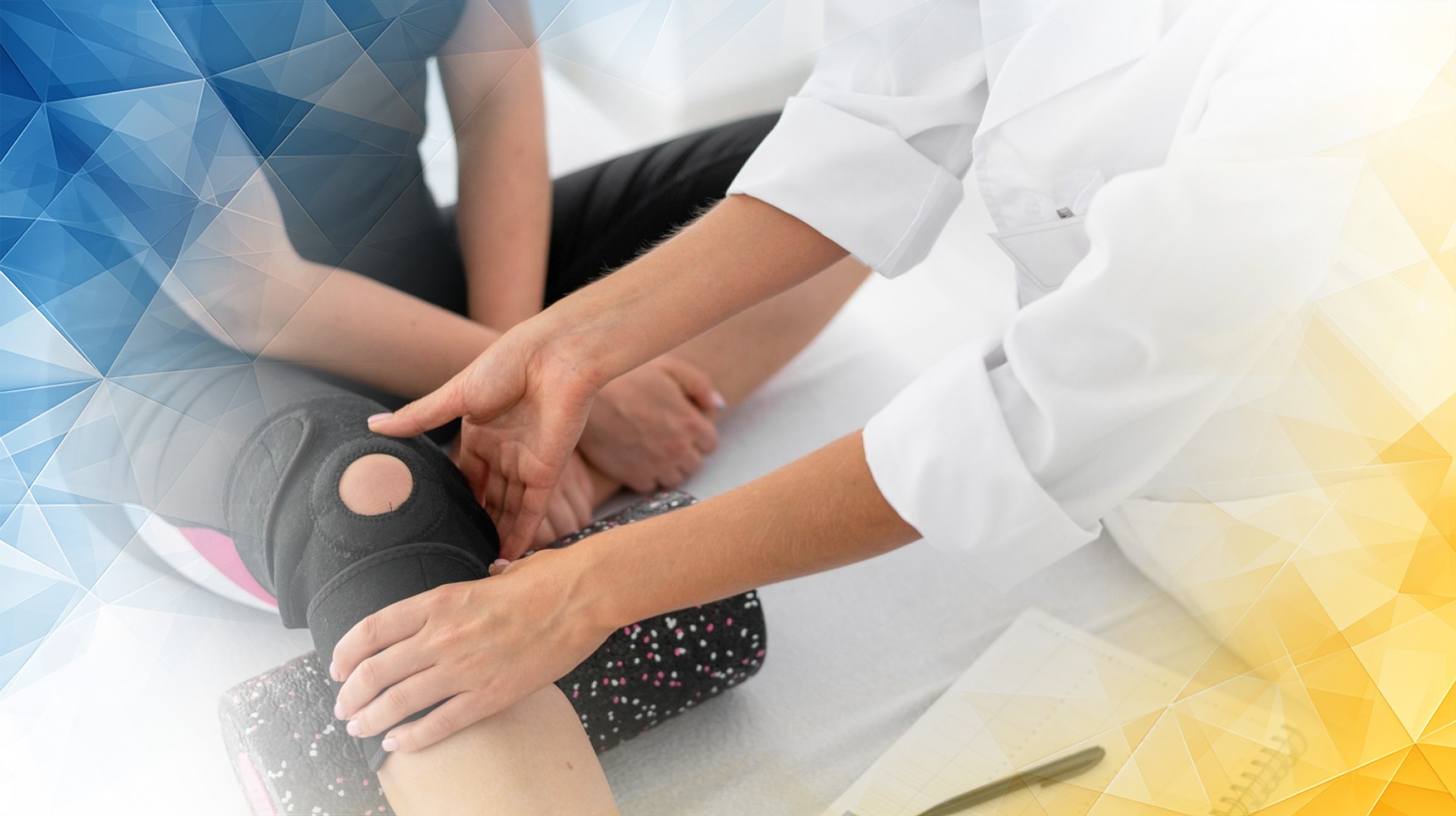
Consider a 13-year-old football player who begins to feel pain just below the kneecap during games and practices. At first, the discomfort is mild, but it gradually worsens and affects performance. Rehabilitation starts with gentle stretching to ease muscle tightness, then moves on to a targeted strengthening plan for the thigh and hip muscles to boost knee stability .
As progress is made, balance and coordination exercises are added to help control movement and reduce strain during sports. Over several weeks, the pain subsides, and the athlete returns to full activity without discomfort. This example highlights how a well- structured rehabilitation plan , based on scientific evidence, can truly help young people overcome Osgood -Schlatter disease.
In summary, non-invasive rehabilitation offers an effective way to manage Osgood-Schlatter disease and the knee pain it causes in active young people. By combining stretching, strengthening, and balance exercises —and tailoring them to individual needs—symptoms can be reduced, and safe return to sports is achievable. New approaches like eccentric training are also showing promise for even better long-term results.
It’s worth noting that, in some cases, young people may develop a noticeable bump just below the knee or experience pain when kneeling later on.
As research advances and therapy methods evolve, we’ll keep finding better ways to help young athletes stay healthy and active despite this common growing pain. With the right approach, knee pain doesn ’t have to keep anyone on the sidelines for long.
Shamov, I. A. (2016). Osgood-Schlatter disease. Clinical Medicine (Russian Journal), 94(2), 144-148.
Wall, E. J. (1998). Osgood-Schlatter Disease. The Physician and Sportsmedicine, 26(3), 29-34. https://doi.org/10.1080/00913847.1998.11440345
Morris, E. (2016). Acupuncture in Osgood-Schlatter disease. BMJ Case Reports, 2016, bcr2015214129. https://doi.org/10.1136/bcr-2015-214129
Osgood-Schlatter disease is a common cause of knee pain in active adolescents, especially during growth spurts. It affects the area where the front thigh muscle attaches to the shinbone. Young athletes involved in running, football, or jumping sports are particularly at risk of developing this uncomfortable but manageable condition.
At London Cartilage Clinic, our experienced team, led by Prof Lee, provides scientifically-based, non-invasive rehabilitation tailored to each patient. Treatment focuses on stretching, strengthening, and balance exercises. Prof Lee’s expertise ensures a personalised treatment plan, supporting effective recovery and helping young athletes return confidently to the activities they enjoy most.
Prof Lee combines years of experience in cartilage disorders with the latest rehabilitation research. His approach at London Cartilage Clinic prioritises evidence-based care, personalisation, and regular plan reviews. Patients benefit from Prof Lee’s comprehensive understanding of adolescent knee pain, ensuring optimal management and guidance throughout recovery, without unnecessary intervention or invasive procedures.
A typical plan includes targeted stretching and strengthening exercises, balance and coordination training, and sometimes supportive therapies like controlled anti-inflammatory treatments or acupuncture. London Cartilage Clinic adapts each programme to the individual’s growth stage and symptoms, promoting functional improvement while minimising discomfort and maintaining an active lifestyle safely.
Families benefit from London Cartilage Clinic’s evidence-driven, patient-focused approach, overseen by Prof Lee, an expert in paediatric cartilage care. The clinic offers tailored rehabilitation with the latest techniques, ensuring young patients receive the highest-quality support. The focus is always on safe return to sport and long-term knee health under specialist supervision.
All our treatments are selected to help patients achieve the best possible outcomes and return to the quality of life they deserve. Get in touch if you have any questions.
At London Cartilage Clinic, we are constantly staying up-to-date on the latest treatment options for knee injuries and ongoing knee health issues. As a result, our patients have access to the best equipment, techniques, and expertise in the field, whether it’s for cartilage repair, regeneration, or replacement.
For the best in patient care and cartilage knowledge, contact London Cartilage Clinic today.
At London Cartilage Clinic, our team has spent years gaining an in-depth understanding of human biology and the skills necessary to provide a wide range of cartilage treatments. It’s our mission to administer comprehensive care through innovative solutions targeted at key areas, including cartilage injuries. During an initial consultation, one of our medical professionals will establish which path forward is best for you.
Contact us if you have any questions about the various treatment methods on offer.
Legal & Medical Disclaimer
This article is written by an independent contributor and reflects their own views and experience, not necessarily those of londoncartilage.com. It is provided for general information and education only and does not constitute medical advice, diagnosis, or treatment.
Always seek personalised advice from a qualified healthcare professional before making decisions about your health. londoncartilage.com accepts no responsibility for errors, omissions, third-party content, or any loss, damage, or injury arising from reliance on this material. If you believe this article contains inaccurate or infringing content, please contact us at [email protected].